Preparing Your Rental Property for Hurricane Season in Florida
Understanding the Risks
Hurricane season in Florida typically runs from June through November. During this period, property owners face potential threats from strong winds, heavy rains, and flooding. Preparing your rental property for these conditions is crucial to minimize damage and ensure tenant safety. Understanding the specific risks your property might face is the first step in effective preparation.
Conducting a Property Inspection
A thorough inspection of your property is essential. Check the roof for loose or damaged shingles, and ensure gutters and downspouts are clear of debris. Inspect windows and doors for cracks or weaknesses, and consider installing storm shutters for added protection. Regular maintenance can prevent minor issues from becoming major problems during a storm.
Additionally, evaluate the landscape surrounding your property. Trim trees and remove dead branches that could become projectiles in strong winds. Secure outdoor furniture and equipment, or bring them inside to reduce potential hazards.
Creating a Hurricane Preparedness Plan
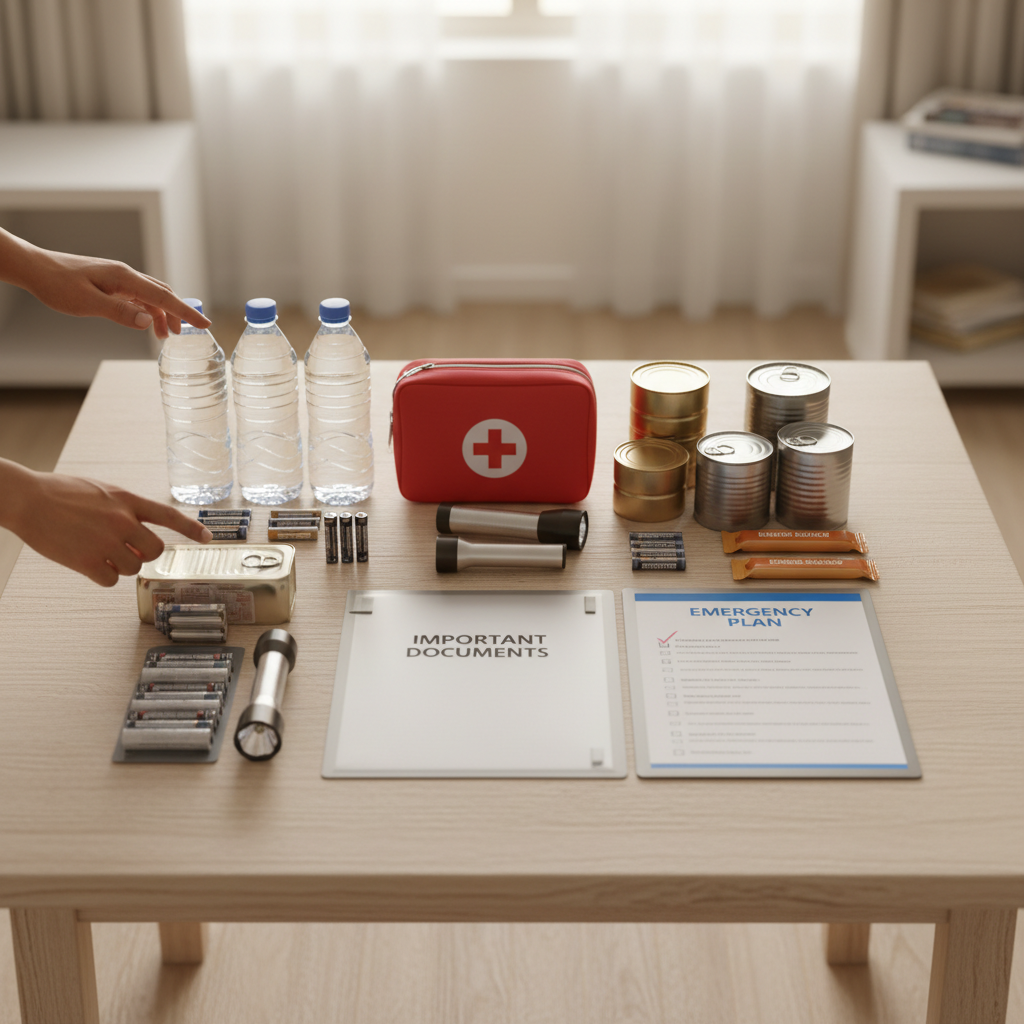
Having a detailed hurricane preparedness plan is vital. This plan should include evacuation routes, emergency contact information, and a checklist of essential supplies for you and your tenants. Share this plan with your tenants to ensure everyone is informed and prepared.
Strengthening Your Property
Investing in structural reinforcements can significantly reduce hurricane damage. Consider installing impact-resistant windows and doors. Reinforce the roof with hurricane straps, and ensure the foundation is secure. These measures not only protect your property but also increase its value and appeal to potential tenants.
If your property is in a flood-prone area, elevate electrical systems and appliances. Use water-resistant materials for flooring and walls to minimize water damage.
Insurance and Financial Preparedness
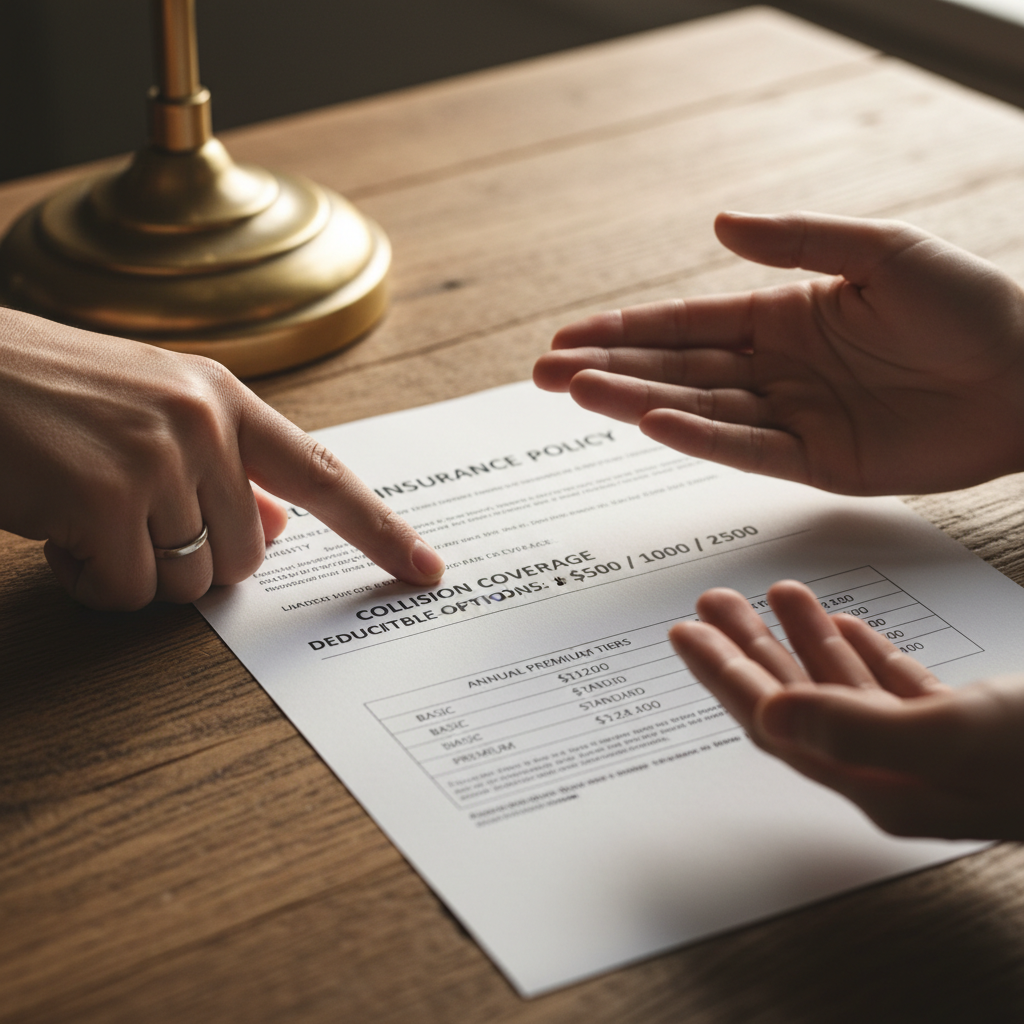
Review your insurance policy to ensure it provides adequate coverage for hurricane-related damages. Consider additional flood insurance if your property is in a high-risk area. Document the property’s condition with photos and videos before the hurricane season starts, which can be helpful for insurance claims.
Communication with Tenants
Effective communication with tenants is key during hurricane season. Provide them with information on emergency procedures, including how to secure their belongings and where to seek shelter if needed. Encourage them to create their own emergency kits and plans.
Ensure that your tenants know how to reach you in case of an emergency. Keeping an open line of communication helps in coordinating repairs and updates after a storm.
Post-Storm Actions
After a hurricane, conduct a thorough inspection of your property to assess any damage. Document everything for insurance purposes and prioritize repairs to make the property safe and livable again. Prompt action not only protects your investment but also helps retain tenant satisfaction and trust.
Maintaining a proactive approach to hurricane preparedness can significantly mitigate risks and ensure the safety of both your property and tenants. With careful planning and regular maintenance, you can weather the storm with confidence.