Preparing Your Rental Property for Hurricane Season in Florida
Understanding the Importance of Preparation
Living in Florida offers many benefits, but it also means being prepared for hurricane season. As a rental property owner, ensuring your property is ready can protect your investment and provide peace of mind to your tenants. Proper preparation can minimize damage and reduce repair costs after a storm.
Hurricane season in Florida runs from June to November, and being proactive is key. Understanding the risks and taking appropriate action can make a significant difference in how your property weathers a storm.

Inspecting and Fortifying Your Property
Start by conducting a thorough inspection of your property. Look for any existing damage or areas that might be vulnerable during a hurricane. Pay special attention to the roof, windows, and doors, as these are common entry points for wind and rain.
Reinforcing Windows and Doors
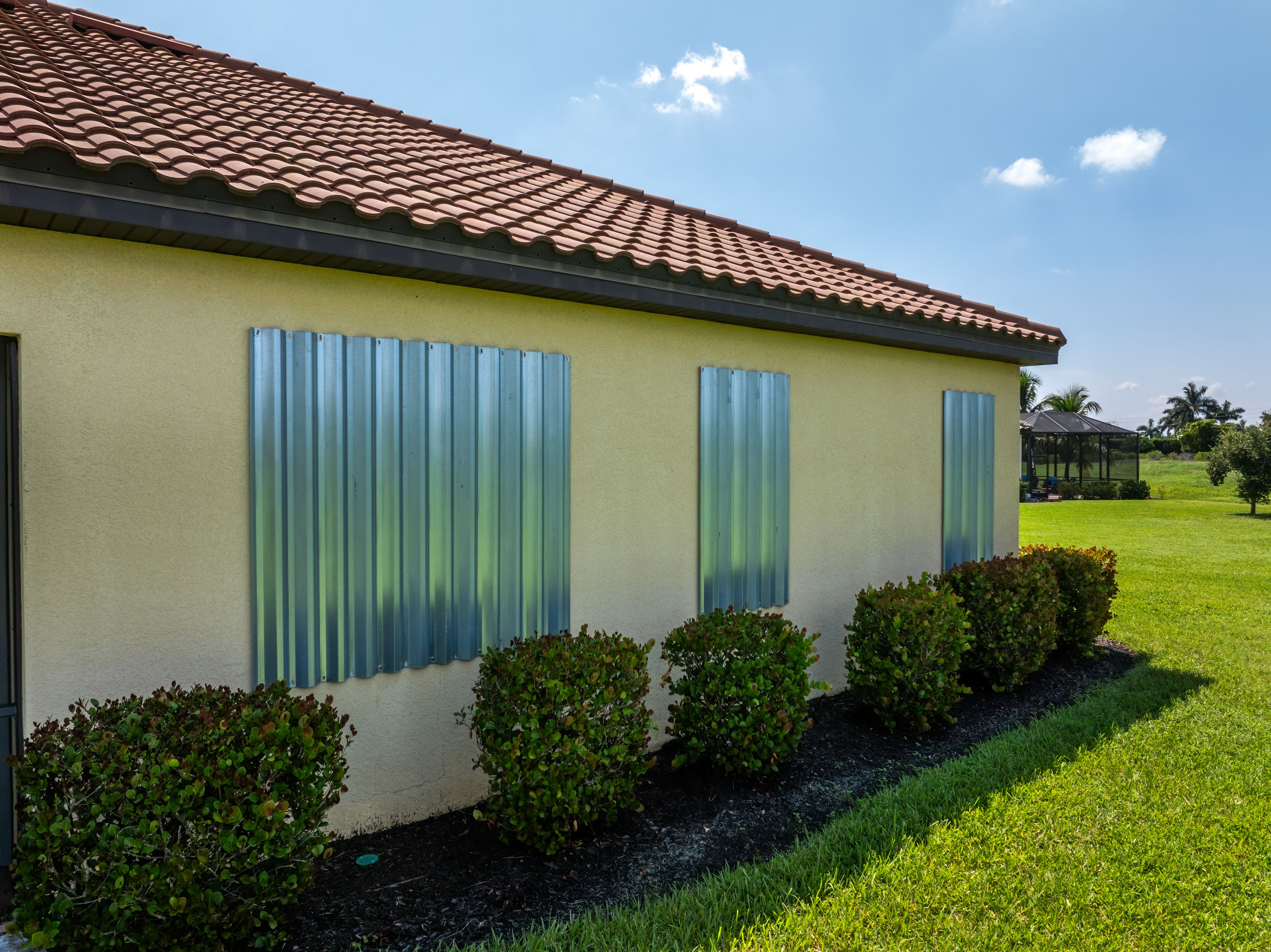
Consider installing storm shutters or impact-resistant windows to protect against flying debris. Reinforcing doors with heavy-duty bolts can also offer additional protection. These measures not only safeguard your property but also provide tenants with added security.
Landscaping for Safety
Proper landscaping can reduce the risk of damage during a hurricane. Trim trees and remove dead branches that could become projectiles in high winds. Ensure that large shrubs and other plants are not too close to the structure, as they can cause damage if uprooted.
Additionally, secure any outdoor furniture or decorations. These items can become dangerous if not properly anchored or stored indoors during a storm.

Ensuring Proper Drainage
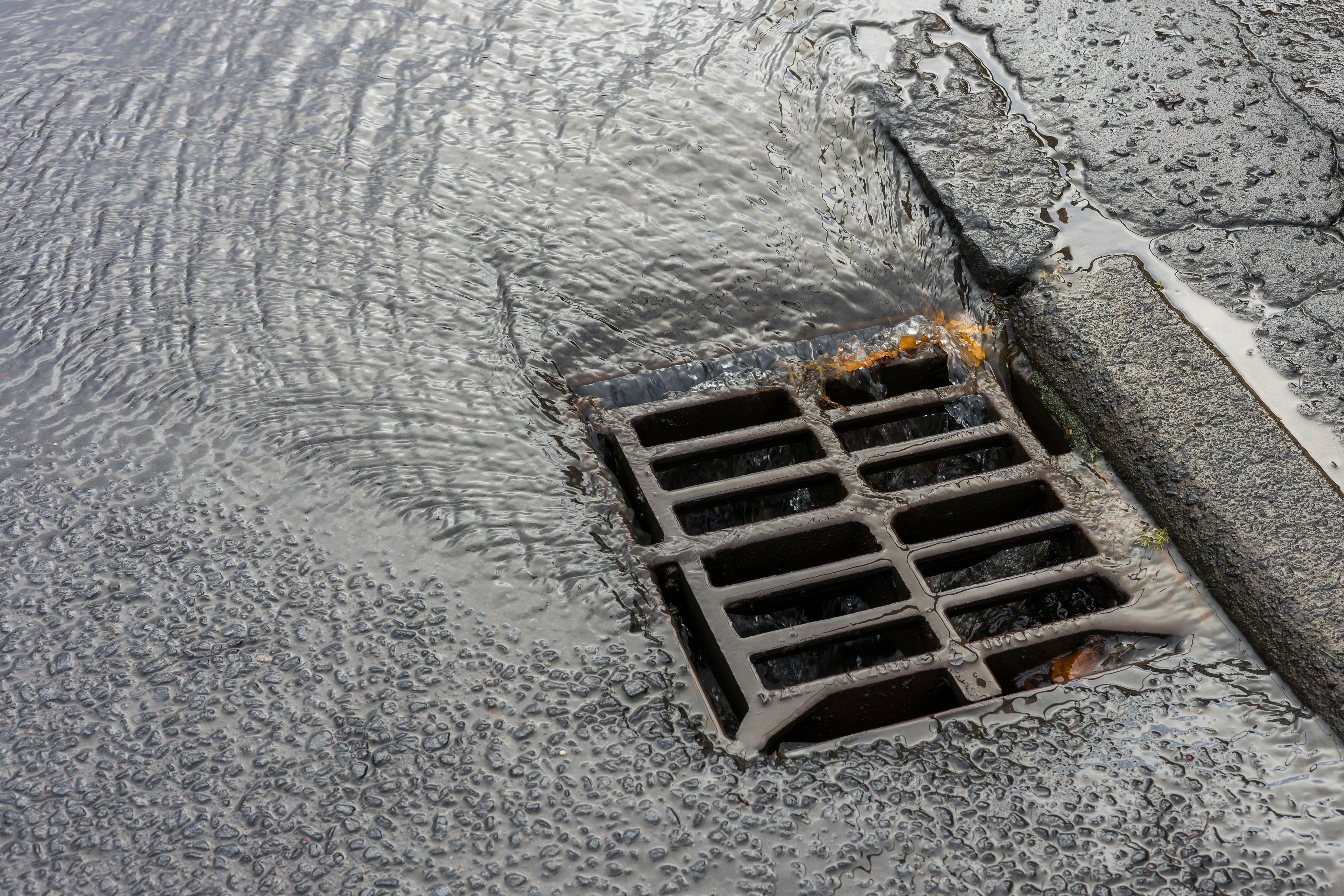
Flooding is a common issue during hurricanes, so it’s essential to ensure your property has proper drainage. Clear gutters and downspouts to prevent water accumulation on the roof. Assess the property’s grading and consider adding swales or French drains if necessary.
Installing Sump Pumps
If your property is in a flood-prone area, installing a sump pump can be a wise investment. This device can help prevent water from accumulating in basements or lower levels, reducing the risk of water damage.
Creating an Emergency Plan
Having a clear emergency plan is crucial for both you and your tenants. Provide tenants with a list of emergency contacts, including local authorities and utility companies. Discuss evacuation routes and ensure everyone knows the location of safety supplies.
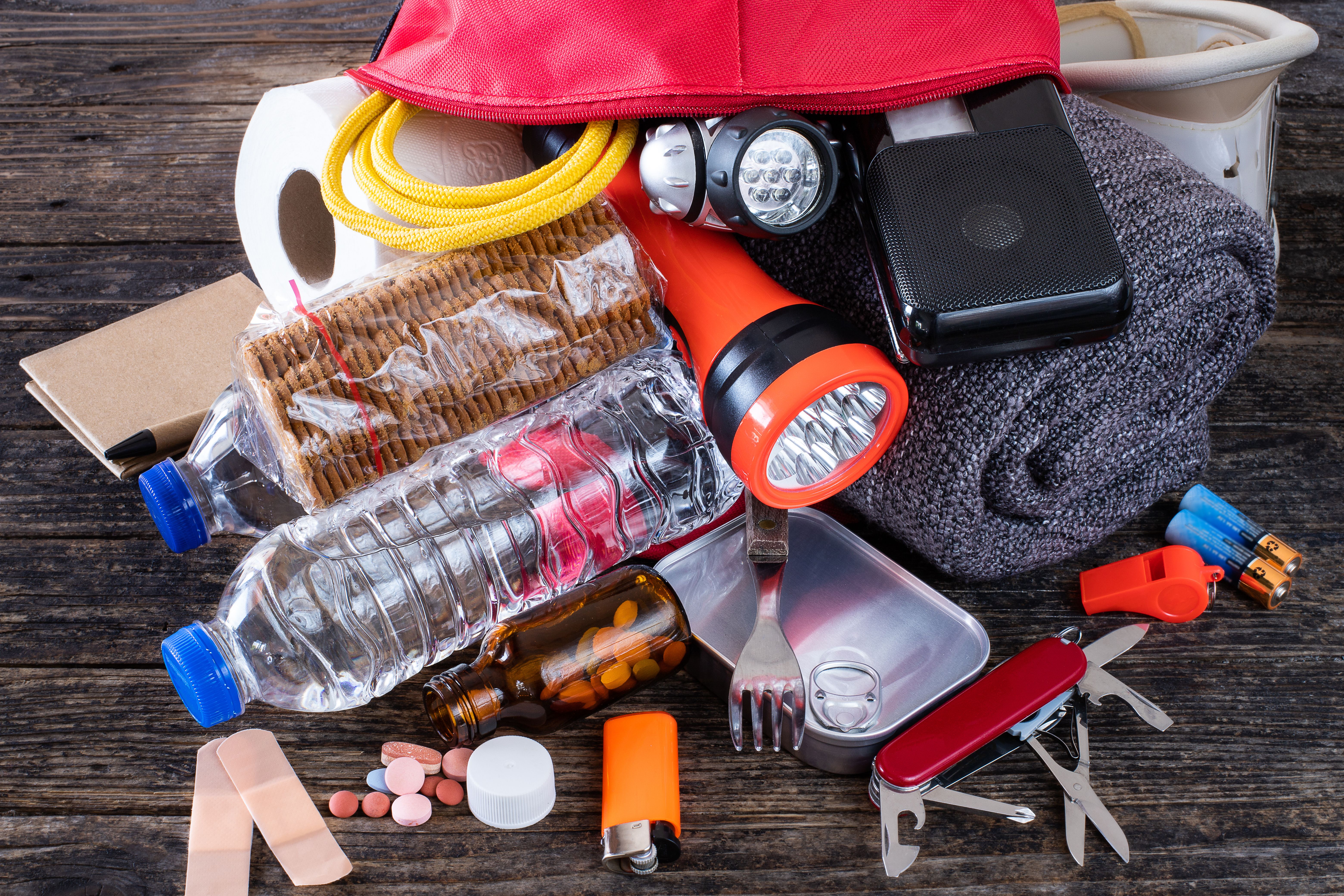
Stock up on basic supplies such as water, non-perishable food, flashlights, and batteries. Encouraging tenants to do the same can ensure everyone is prepared for the aftermath of a storm.
Reviewing Insurance Policies
Before hurricane season begins, review your insurance policies to ensure adequate coverage. Consider flood insurance if it’s not already included, as standard policies often do not cover flood damage. Understanding your coverage can prevent financial surprises after a storm.
Keep an up-to-date inventory of your property's contents and condition. This documentation can be invaluable when filing an insurance claim post-hurricane.