Comprehensive Guide to Property Management in Palm Beach County
Managing property in Palm Beach County requires a keen understanding of the local market, tenant needs, and property regulations. Whether you're a seasoned property owner or just starting out, having a structured approach can make a significant difference in your success.

Understanding the Palm Beach County Market
The real estate market in Palm Beach County is dynamic, with varying demands depending on the location and property type. From luxurious beachfront homes to affordable apartments, understanding the market trends is crucial for setting competitive rental prices and attracting quality tenants.
Market analysis should include a thorough evaluation of comparable properties, vacancy rates, and current economic factors. Collaborating with local real estate experts can provide valuable insights into neighborhood trends and property values.
Legal Requirements and Compliance
Property management in Palm Beach County entails adhering to various legal requirements and regulations. This includes understanding zoning laws, obtaining necessary permits, and ensuring compliance with health and safety standards.
It's essential to stay updated with changes in local laws and to maintain proper documentation for all transactions and tenant interactions. Hiring a legal advisor with expertise in property law can be beneficial in navigating these complexities.

Effective Tenant Management
Building strong relationships with tenants is key to successful property management. This starts with a thorough screening process to select reliable tenants and continues with clear communication and prompt response to maintenance requests.
Setting clear lease terms and maintaining open lines of communication can prevent misunderstandings and foster a positive landlord-tenant relationship. Regular property inspections also ensure that the property remains in good condition and that tenants are adhering to lease agreements.
Maintenance and Upkeep
Regular maintenance is crucial to preserving property value and ensuring tenant satisfaction. This includes routine inspections, timely repairs, and seasonal maintenance tasks like landscaping and HVAC servicing.

Hiring reliable contractors and having a dedicated maintenance team can streamline this process. Implementing a digital system for tracking maintenance requests and scheduling can also improve efficiency and tenant satisfaction.
Marketing and Vacancy Management
Effective marketing strategies are essential for minimizing vacancies and attracting quality tenants. Utilizing online platforms, social media, and local advertising can broaden your reach and showcase your property's best features.
Offering virtual tours and high-quality images can enhance your property's appeal. Additionally, competitive pricing and flexible lease terms can make your property more attractive in a competitive market.
Financial Management and Reporting
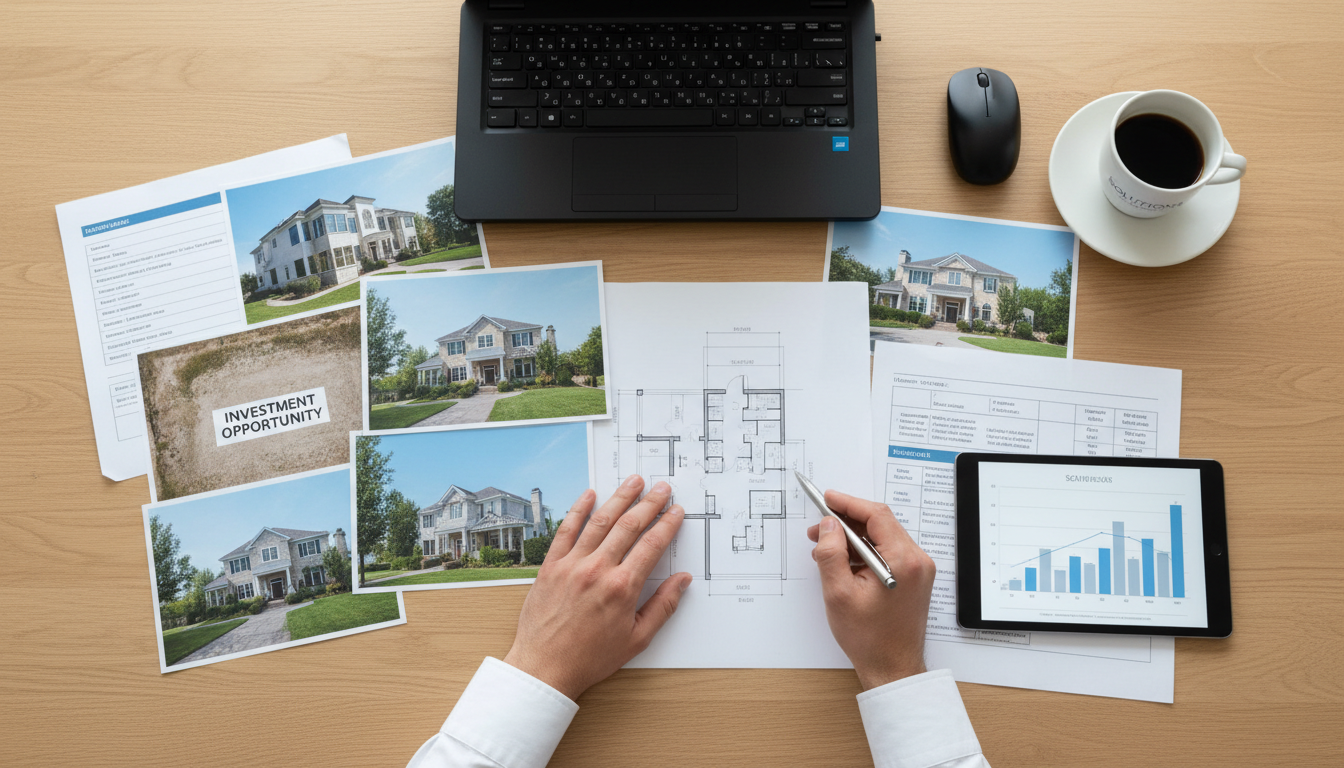
Accurate financial management is crucial for maximizing the profitability of your property. This includes setting a realistic budget, tracking expenses, and ensuring timely collection of rent.
Utilizing property management software can simplify financial reporting, helping you to monitor cash flow, manage invoices, and prepare for tax season. Regular financial reviews can also help identify opportunities for cost savings and revenue enhancement.